Studying in Milan and finding a place
How to find housing in Milan for a semester, a master's or an Erasmus, what it really costs, and why most people start with a short-term rental.
3 min readUpdated October 6, 2026
Milan has more than two hundred thousand university students and not enough homes for them. That is the starting point of any honest discussion about accommodation: demand has outstripped supply for years, prices reflect it, and anyone arriving unprepared in September finds little, and expensive.
This guide is for people coming for a semester, a master's, an Erasmus or a PhD, who have to solve the problem from a distance.
The university districts
Bicocca, in the north. The University of Milano-Bicocca has around thirty thousand students across economics, law, psychology, sociology, science and medicine. The campus is open, modern and built into the neighbourhood. It is also where rents remain most reasonable.
Città Studi, in the east. The Politecnico's Leonardo campus, the Statale science faculties, the medical school and the major hospitals. Residential, well connected, in high demand.
The centre, for the Statale and the Cattolica. Beautiful and expensive.
The Bocconi area, in the south. As expensive as the centre.
If you study at Bicocca or the Politecnico, the first two are the only ones that really make sense: the time you save every morning, over eight months, is worth more than the difference in rent.
What it actually costs
A single room in a shared flat in Milan usually costs between six hundred and nine hundred euro a month, with bills excluded or partly included depending on the contract. A whole studio starts considerably higher.
On top of that come the deposit — normally two or three months — and often a guarantee from parents or an employer. These are the two things that most often stop international students: they find the place and then cannot sign.
Why almost everyone starts with a short-term rental
The path that works, and that we see repeat every year, is this:
- Arrive with a short-term rental already booked, for one or two months.
- View places in person. Milan is a city where listings lie, and a room can only be judged by walking into it.
- Sign something permanent while already in the city, with an address, a tax code and the ability to attend viewings.
Searching from another country, paying a deposit remotely and discovering the reality on arrival is the fastest way to lose money. The Milan market has its share of fake listings too: nobody legitimate asks for a bank transfer before a viewing.
The minimum paperwork
- Codice fiscale — the Italian tax code, obtained from the Agenzia delle Entrate. You need it for almost everything: contract, bank, SIM card, gym.
- Identity document — required even for a short-term rental, because guests must be reported to the police.
- Residence permit, if you come from outside the European Union.
- Health card or insurance, depending on your country.
- Self-certification for the city tax — university students aged 26 or under enrolled at a Milan university are exempt in short-term rentals too. How it works
Having an address in the city already makes every one of these easier.
Our apartments for students
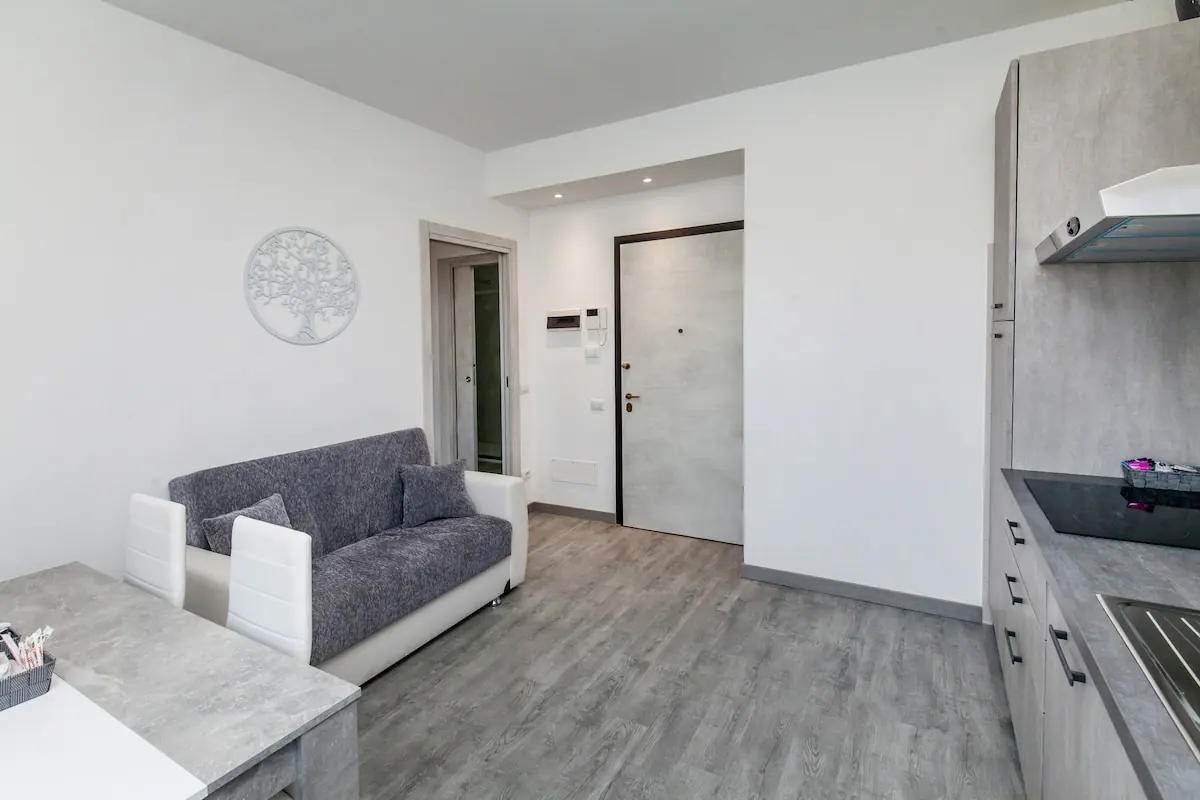
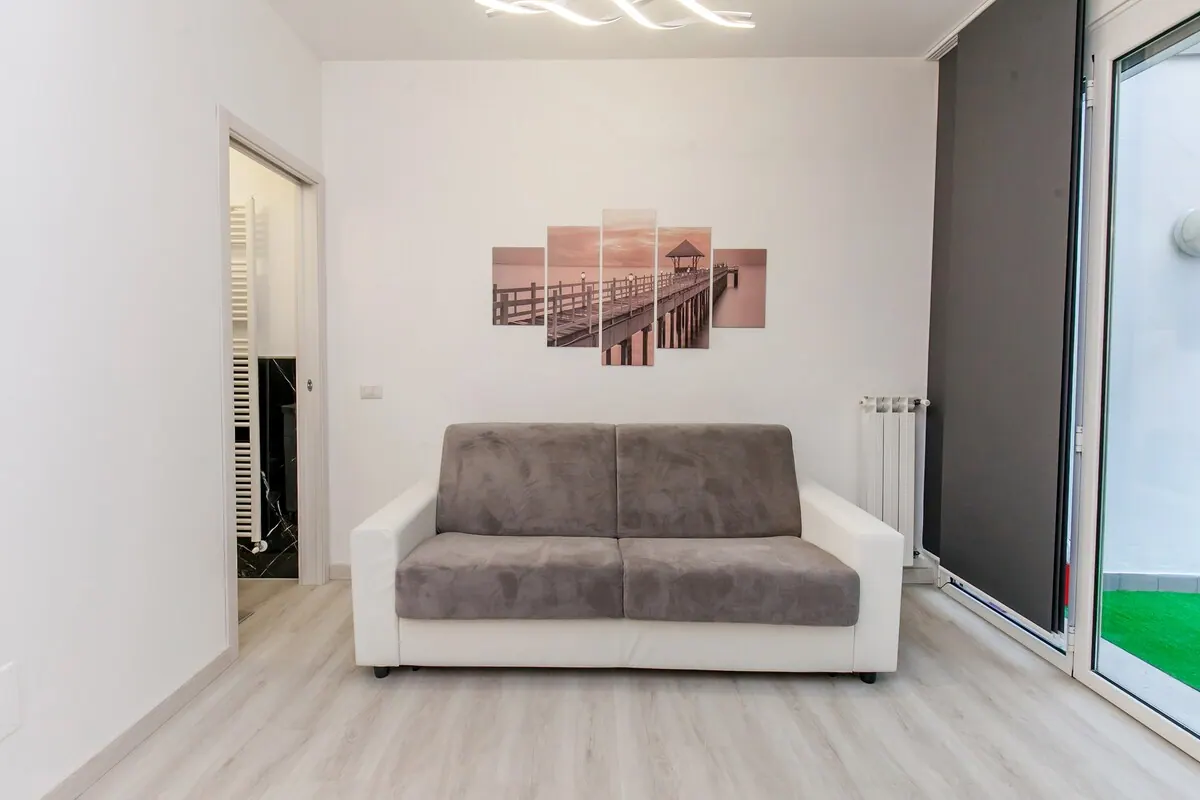
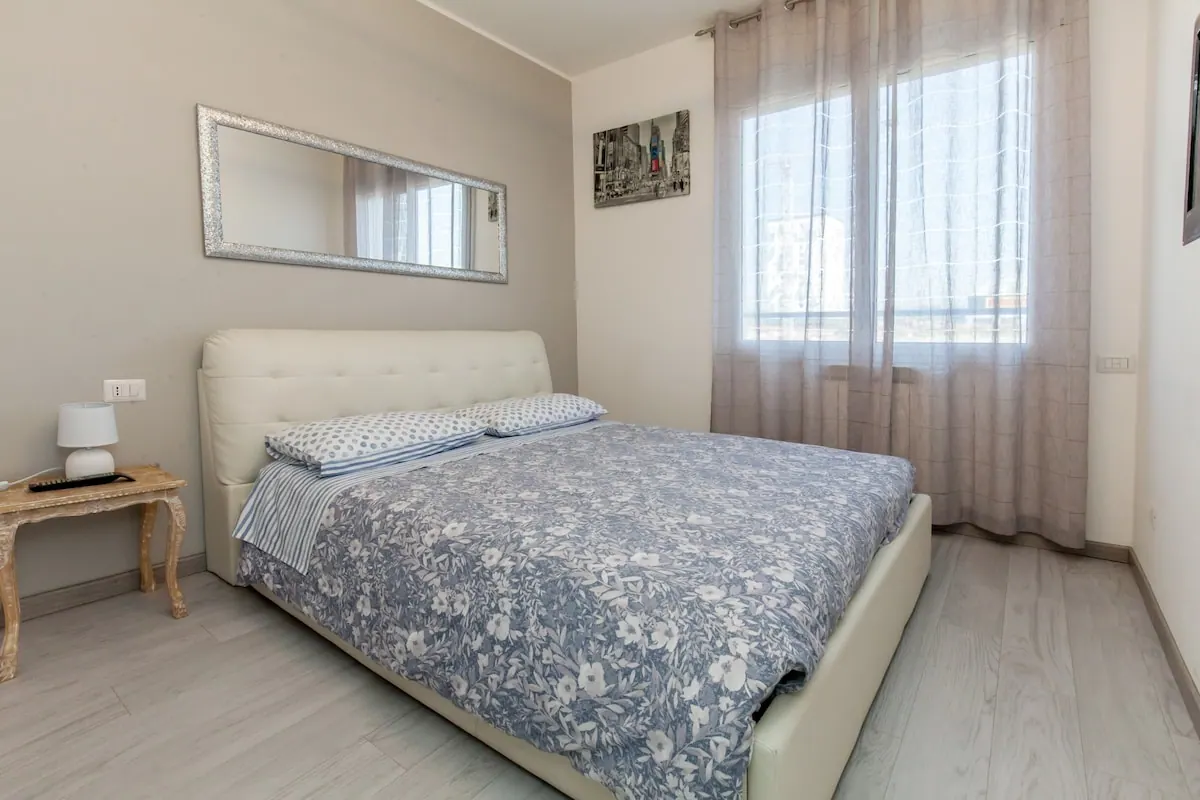
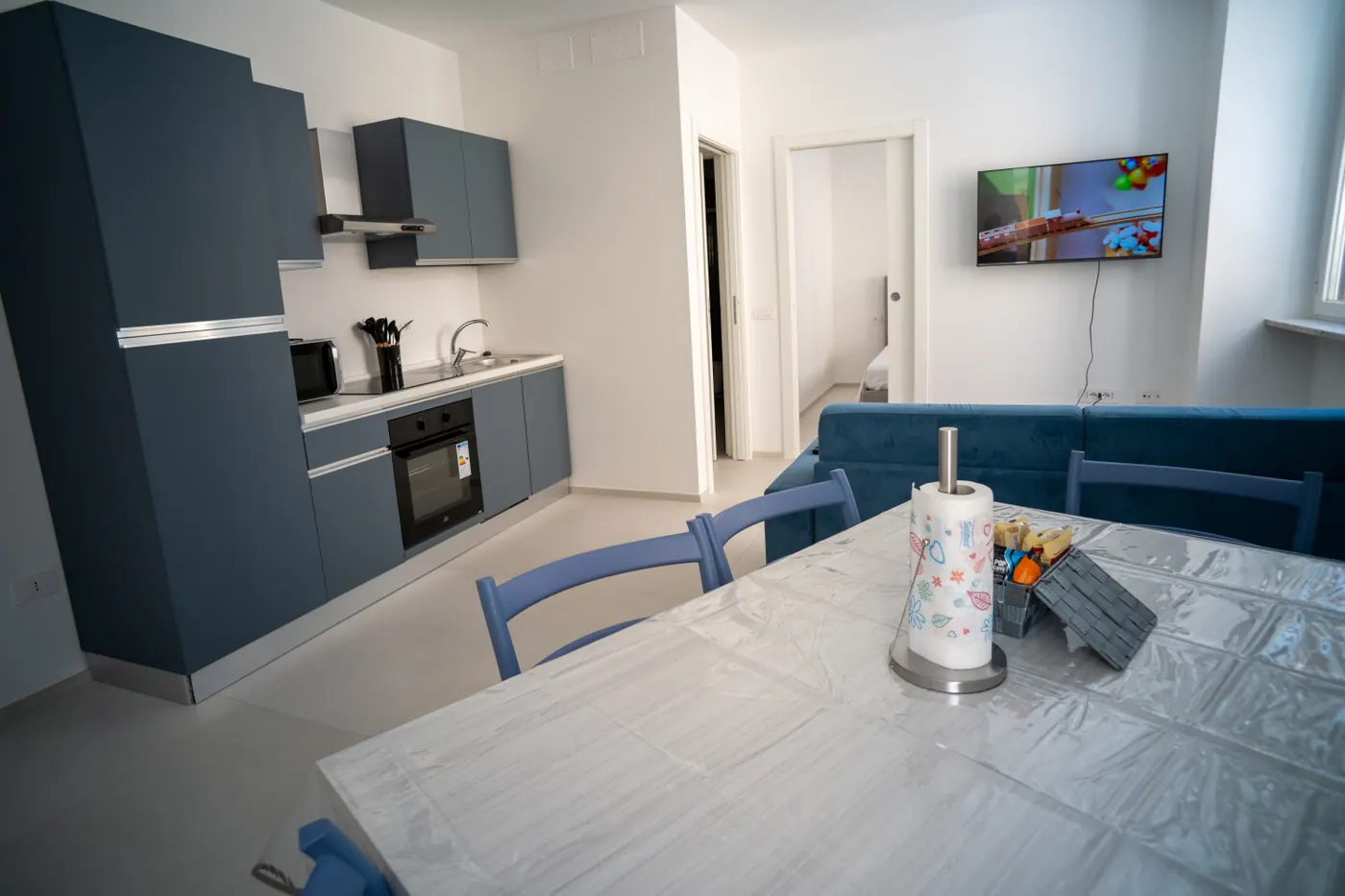
We have several a short walk from the Bicocca campus — E-Bicocca, D-Bicocca, Bicocca Università — and others in Città Studi. They are complete one-bedroom flats, with a kitchen, washing machine, Wi-Fi and a desk, suitable for one person or two.
We take long stays, and for stays of several months the nightly price comes down. If you are looking for a base for the first months while you find something permanent, this is exactly the case they work best for.
Frequently asked questions
- How much does a student room cost in Milan?
- Milan is the most expensive Italian city for students. A single room in a shared flat usually costs between six hundred and nine hundred euro a month, more near the centre and in the busiest university areas.
- Is a short-term rental worth it for a university semester?
- It is the most common solution for the first months. You arrive with a home already sorted and look for something permanent calmly, viewing places in person instead of from a thousand kilometres away.
- Which are Milan's university districts?
- Bicocca in the north, for the University of Milano-Bicocca. Città Studi in the east, for the Politecnico and the science faculties. The centre for the Statale and the Cattolica, and the Bocconi area in the south.
- Do students pay the city tax in Milan?
- No, if they are 26 or under and enrolled at a Milan university. The City's 2026 regulation exempts them in short-term rentals too; the exemption is declared with a self-certification when booking, not afterwards.