Città Studi and Porpora
The Politecnico, the hospitals, the tree-lined avenues. Why Città Studi is Milan's most practical base for a stay of a few weeks.
3 min readUpdated September 10, 2026
Città Studi is called that because that is what it was built for: in the early 1900s Milan decided to move its science faculties out of the centre and built a neighbourhood for them. A century later it is still doing exactly the job it was designed for, and it may be the only part of Milan that never changed trade.
Wide tree-lined avenues, five-storey buildings, inner courtyards, shops at street level. No monuments, no queues. This is the Milan where people live, and for anyone staying a few weeks that is worth more than a view of the Duomo.
The university quarter
The Politecnico di Milano, Leonardo campus, occupies several blocks around piazza Leonardo da Vinci. Next to it are the science faculties of the Statale, the medical school, and some of the city's main hospitals, including the National Cancer Institute and the Besta neurological institute.
That means two practical things. First, the neighbourhood is full of services calibrated for people who spend long days here: print shops, canteens, technical bookshops, libraries open into the evening. Second, it empties out in August, and anyone arriving then has a whole city to themselves.
Loreto and Porpora
Piazzale Loreto is one of the most useful interchanges in Milan: the M1 red and M2 green lines cross there, which means reaching almost anywhere in the city without changing line. Via Porpora and its side avenues run off it — a dense, well-served residential area with a covered market, long-established shops and one of the most interesting concentrations of non-Italian cooking in the city: Eritrean, Chinese, South American.
Via Monte Nevoso, where we have seven apartments, sits in the quietest part of this triangle: close to the Susa stop on the M1 and a few minutes' walk from the main avenues.
Getting around
- M1 red — Loreto, Pasteur, Rovereto, Turro. Direct to the Duomo, the Castle and Rho Fiera.
- M2 green — Loreto, Piola, Lambrate. Direct to Central Station, Porta Garibaldi and the Navigli.
- Lambrate station — regional trains to Bergamo, Brescia, Venice; useful for day trips.
- A tram network linking Città Studi to the centre via Porta Venezia.
The fact that M1 and M2 cross at Loreto is the technical reason this area is so convenient: practically every destination in Milan, tourist or professional, is reachable on a single ride.
Who it suits
Anyone here for the Politecnico or for a hospital, obviously. But also anyone who wants a base that is quiet and central at the same time: the Duomo is a quarter of an hour away, Porta Venezia and its bars ten minutes, and at night the neighbourhood sleeps.
It also works for families. There are parks — Parco Lambro is two stops away — the streets are wide, the pavements real, and the supermarkets are not boutiques.
Our apartments here
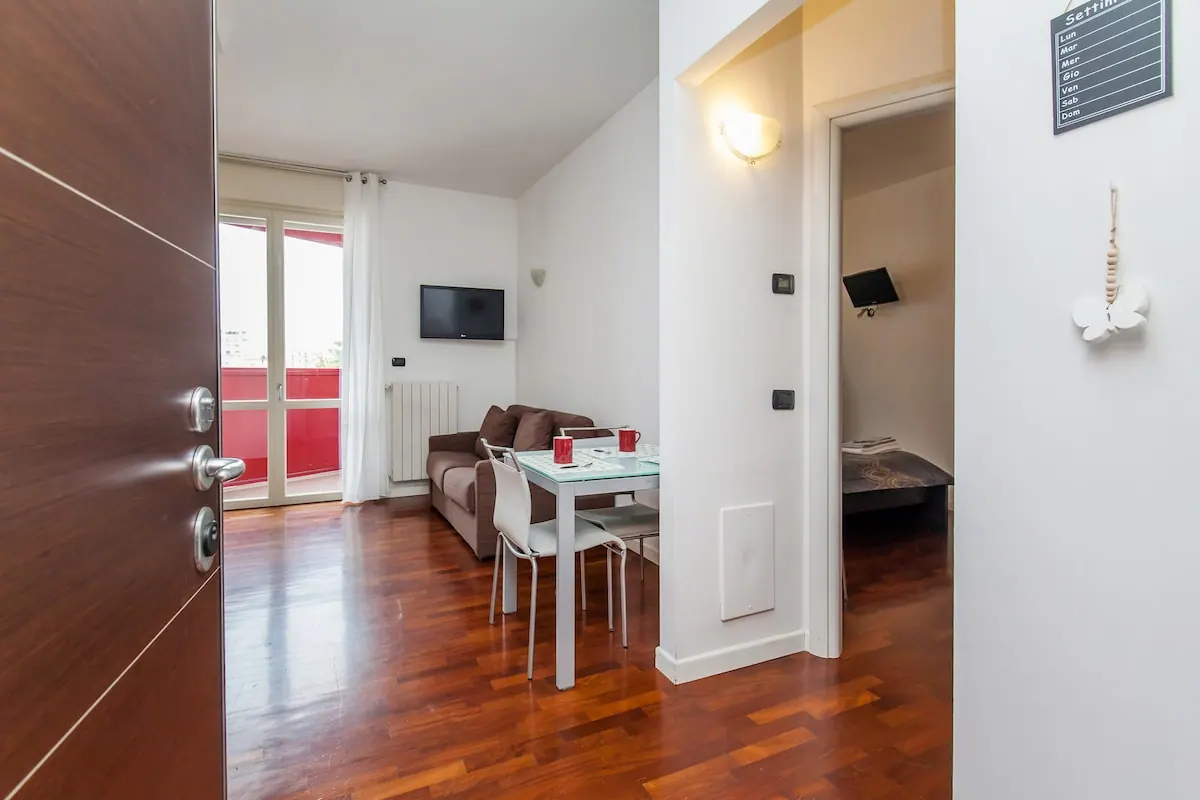
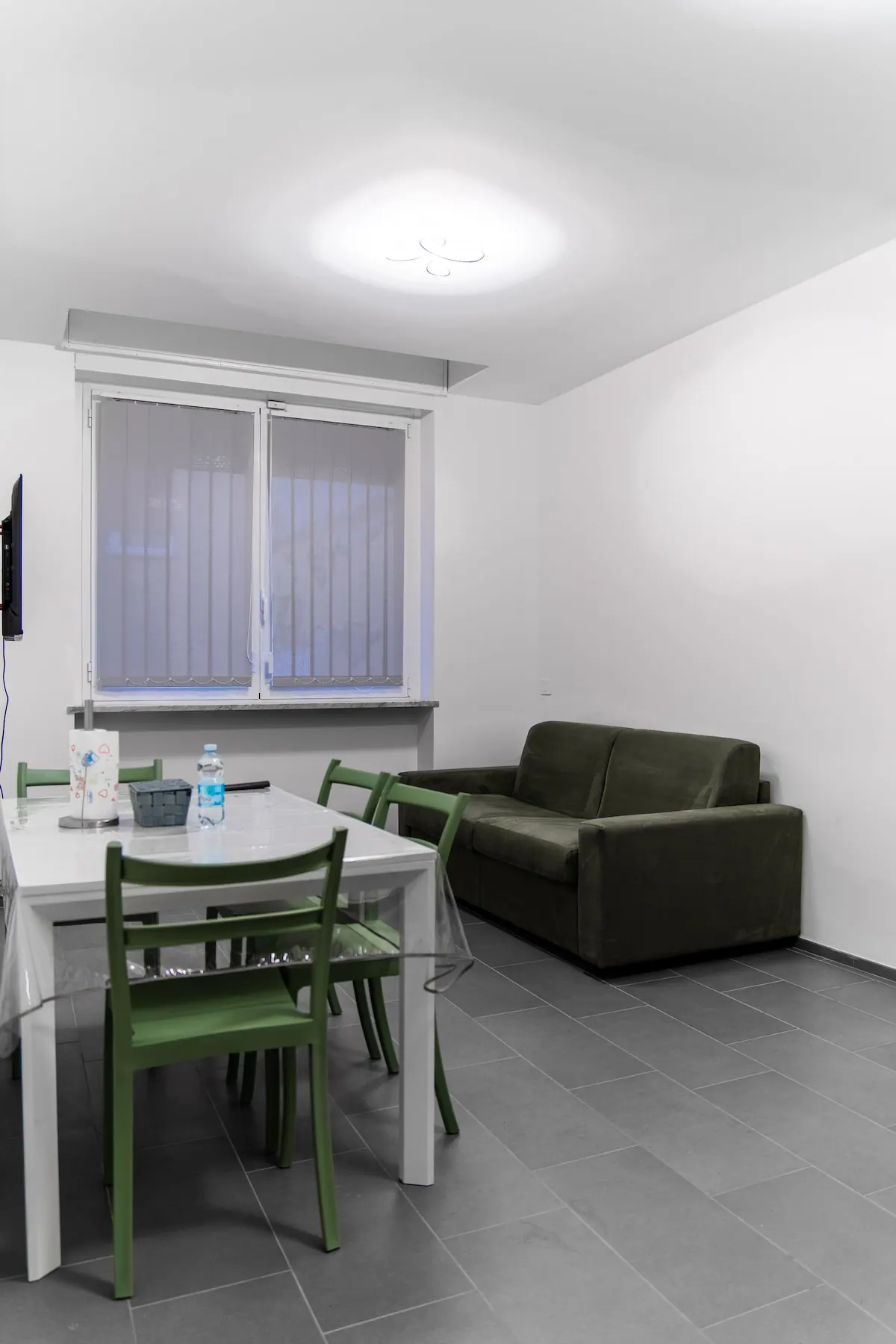
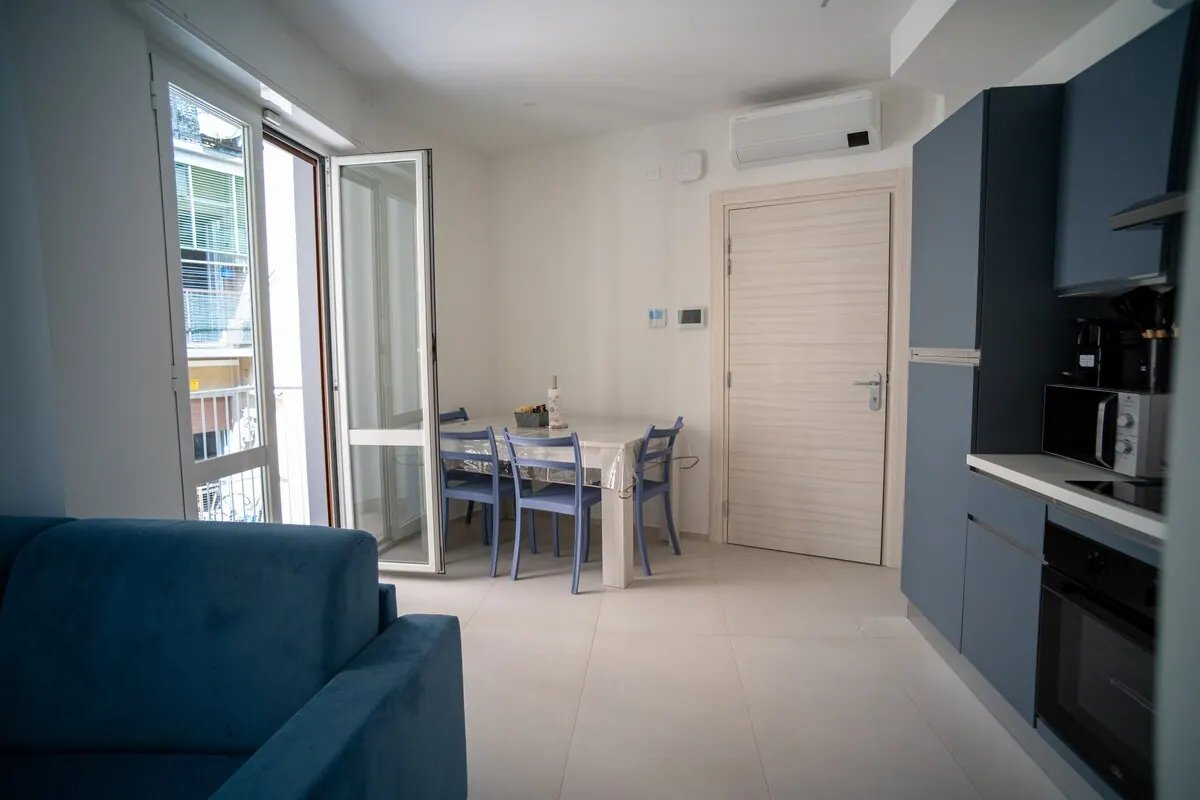
We have Casa Porpora, near Loreto, and seven units on via Monte Nevoso, in a recent building with a lift. All one-bedroom flats, all with a kitchen, washing machine and air conditioning.
→ See the apartments in Città Studi and Porpora
To get your bearings between neighbourhoods, start from the guide to where to stay in Milan.
Frequently asked questions
- Where is Città Studi in Milan?
- Città Studi lies east of Milan's centre, between piazzale Loreto and Lambrate. It is served by the Piola and Lambrate stops on the M2 green line, and by the M1 red line at Loreto and Pasteur.
- Is Città Studi close to the Politecnico di Milano?
- Yes. The Politecnico's Leonardo campus sits in the heart of Città Studi, together with the science faculties of the Statale and the medical school.
- How far is Città Studi from the Duomo?
- About fifteen minutes by metro on the M1 or M2, with no changes.