What Milan costs
Coffee, lunch, transport, accommodation: what you actually spend in Milan in a day, a week and a month, including the items that catch people out.
3 min readUpdated September 17, 2026
Milan is the most expensive city in Italy, and there is no point pretending otherwise. But its price structure is peculiar: some things cost the same as in Rome or Bologna, others twice as much, and the difference between the centre and a residential district ten minutes away by metro is sharper than in any other Italian city.
These are indicative figures, current as of September 2026. They are for building a budget, not for doing the shopping.
The things that are cheap
Coffee at the counter. About a euro and a half, standing up. Sitting at a table costs more, and this is the rule that surprises visitors: in Italy the price changes with the seat, not with the coffee.
Bread and fruit. Bakeries and local markets have normal prices. A michetta costs what it costs anywhere else.
Transport. A monthly city pass is around forty euros. For short stays a contactless card is best: at the end of the day it charges the cheapest fare by itself, with nothing to calculate.
Museums. Many are inexpensive and some are free — Pirelli HangarBicocca above all, one of the largest contemporary art spaces in Europe, which asks for nothing.
The things that cost
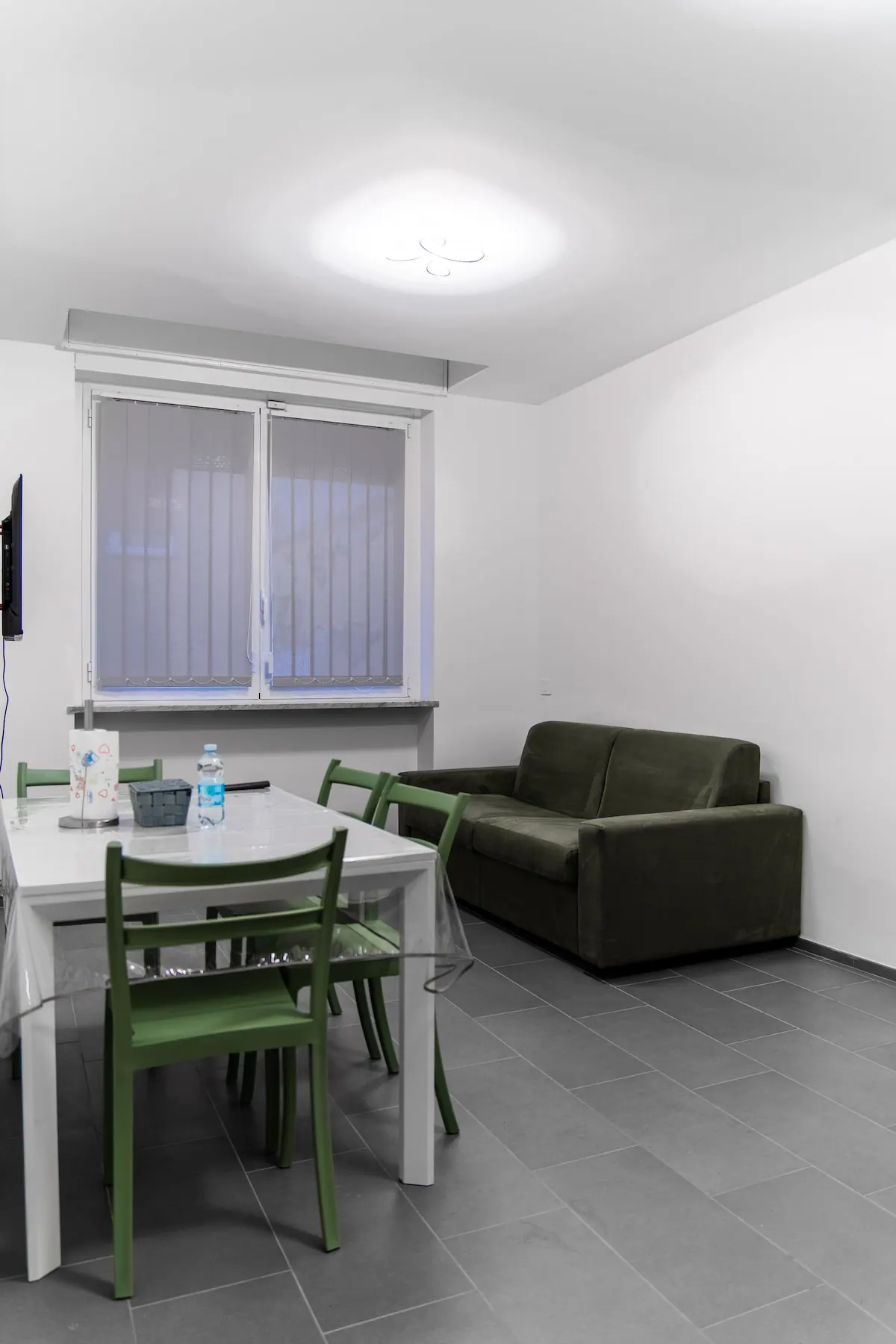
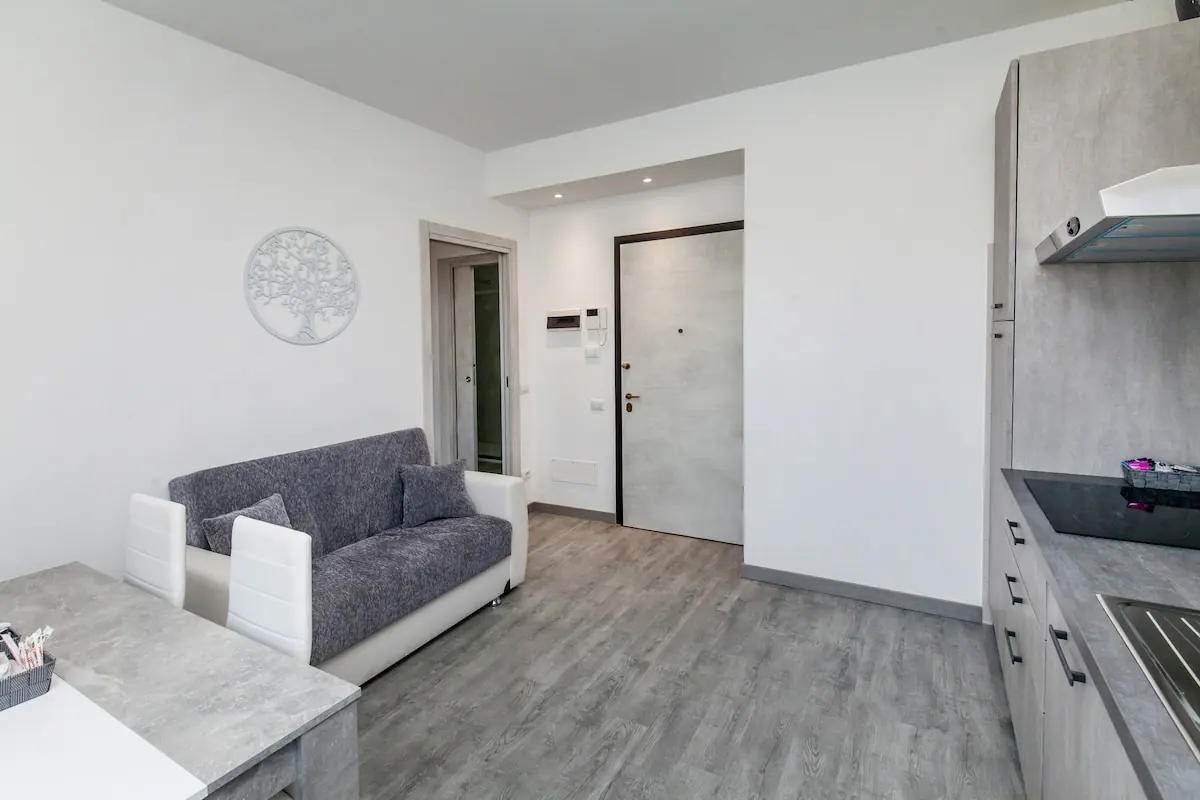
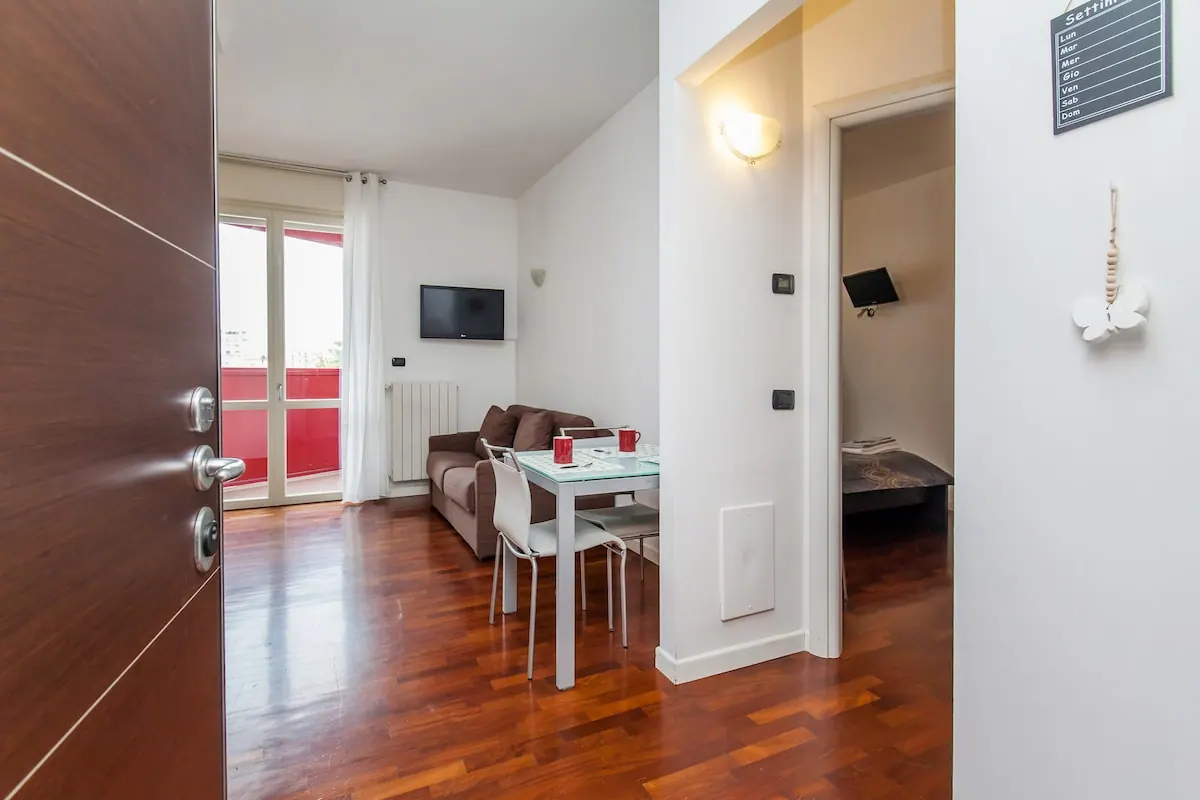
Accommodation. This is the item that makes the difference. In the centre you pay double what you pay in a residential district a quarter of an hour away by metro, for the same square metres.
Dinner out. A full dinner in a neighbourhood restaurant runs thirty to forty-five euros a head. In the centre it climbs fast.
Long-term rent. A single room in a shared flat costs six hundred to nine hundred euros a month. It is the figure that hits students hardest.
The trick the Milanese use
The working lunch. Between 12:30 and 14:00 half the city eats a first course, a second and a coffee for about fifteen euros. It is the same food, often in the same place, that costs double in the evening.
Buffet aperitivo. Ten to fifteen euros for a drink and an open buffet, between 18:30 and 20:00. For many it replaces dinner, and the format was invented for exactly that.
Shopping and cooking. In a flat with a kitchen, two people eat well on forty to fifty euros of groceries a week, and moka coffee costs a third of what the bar charges.
A day, a week, a month
| One person | Two people | |
|---|---|---|
| Breakfast at a bar | €3–4 | €6–8 |
| Set lunch | €12–18 | €24–36 |
| Transport, one day | ~€7 | ~€14 |
| Aperitivo with buffet | €10–15 | €20–30 |
| Dinner in a trattoria | €30–45 | €60–90 |
A week with an apartment, groceries for breakfast and dinner, lunches out and a few evenings: around three hundred euros a head on top of the accommodation.
A month: roughly twelve hundred euros for a whole apartment outside the centre, two hundred for groceries, forty for a transport pass. Remote workers add one hundred and fifty to three hundred if they take a coworking desk.
The item nobody budgets for
The tourist tax. In our apartments it is 9.50 euros per person per night, up to a maximum of fourteen consecutive nights. Three nights for two people is fifty-seven euros, and it is not included in the booking price because it is a municipal tax.
Frequently asked questions
- How much does a day in Milan cost?
- With breakfast at a bar, a set lunch, transport and an informal dinner you are looking at fifty to sixty euros a head, accommodation aside. Swap dinner for an aperitivo and it drops.
- Is Milan the most expensive city in Italy?
- Yes, for accommodation and services. It still sits below Paris, London, Amsterdam and Munich, and the gap between the centre and residential districts is wider here than elsewhere.
- How much does a month in a Milan apartment cost?
- A whole apartment outside the centre starts around twelve hundred euros a month, plus roughly two hundred for groceries and forty for a transport pass.